Ensuring SECAS stays focused on what matters most
Earlier this month, SECAS hosted a web forum to ask for input from our community. Given the challenges staff have faced over the last year, we assume that our partners have also experienced disruption. We wanted to take the opportunity to hear from members of the partnership, refocus on their needs and preferences, and make sure that we allocate our more limited staff capacity to the highest priority issues.
While we had a fairly small sample size of attendees, we heard some excellent discussion and feedback. If you’d like to see how we set up the conversation and framed the tradeoffs, check out the web forum recording. Just keep in mind we edited out the open discussion and formal voting so that everyone felt comfortable speaking their minds. If you’d like to weigh in after seeing the recording, you’re welcome to email me at hilary_morris@fws.gov!
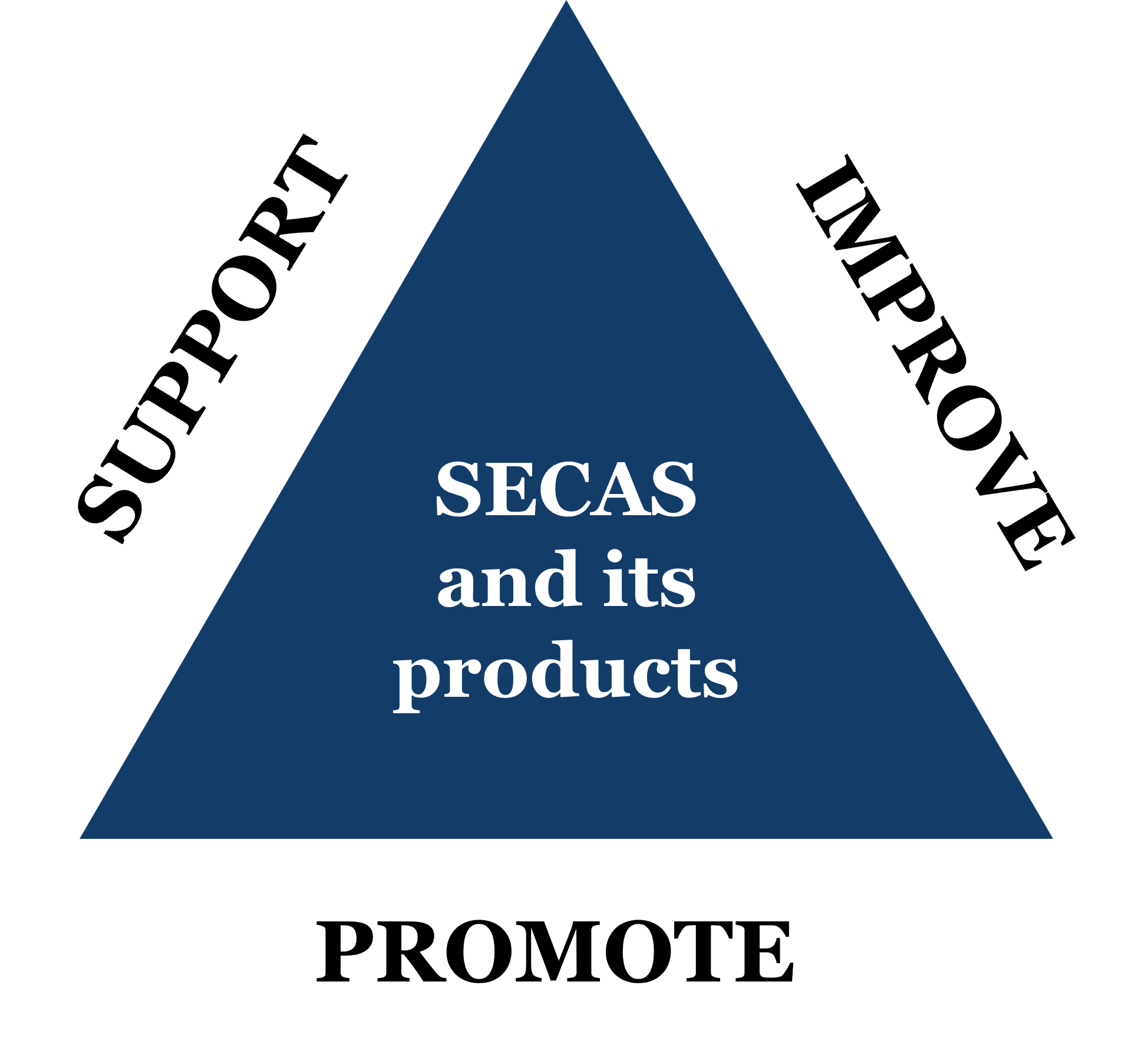
We shared the triangular model pictured above for considering the balance of staff time on key activities related to the partnership and its products. Here’s how we defined support, improve, and promote:
- Support: Helping people use the products of SECAS (e.g., Blueprint user support)
- Improve: Product development and updates (e.g., Blueprint revision)
- Promote: Spreading the word with new partners (e.g., giving a webinar)
We heard that support is a high priority for conservation practitioners, but also that improve is key for partners that rely on SECAS data. Folks shared that all three of these pillars are important, so while we can adjust our level of emphasis, we should make sure that we don’t drop any one of them entirely.
We also dug more into tradeoffs around how often we update the Blueprint. Overall, we heard that the annual revision cycle is helpful to the SECAS community, and is especially important to partners who are concerned about the pace of landscape change and who value up-to-date data. Generally, folks did not want to go more than 2 years without an update, but some felt that every-other-year would be workable given limited staff capacity. Having fresh data seemed to be the biggest motivator for regular updates, but people also valued improving the representation of particular resources or species in the Blueprint. Knowing in advance when to expect the next version was also important, but the time of year of the release didn’t seem to matter much to folks.
We wrapped up by talking about workshops and other ways of getting feedback on the Blueprint. Attendees generally liked the traditional 1.5-hr virtual workshops to review the Blueprint and valued the opportunity to learn about the Blueprint and partners’ needs and priorities. We wanted to make sure folks don’t feel overtapped by frequent workshop invitations, but most people wanted to attend workshops annually, or with each new Blueprint version. Most attendees were somewhat interested in in-person workshops, but we heard that would largely depend on the location and organizational travel restrictions. Folks were also interested in exploring static options like a feedback tool or survey, or having small-group review sessions or meetings within their organizations.
Big thanks to everyone who attended and gave us input! We’ll be continuing these conversations with the SECAS Points of Contact and other teams, partners, and advisors. Hopefully we can strike the right balance moving forward to ensure SECAS stays focused on what matters most to you.