10 years of the Southeast Conservation Blueprint
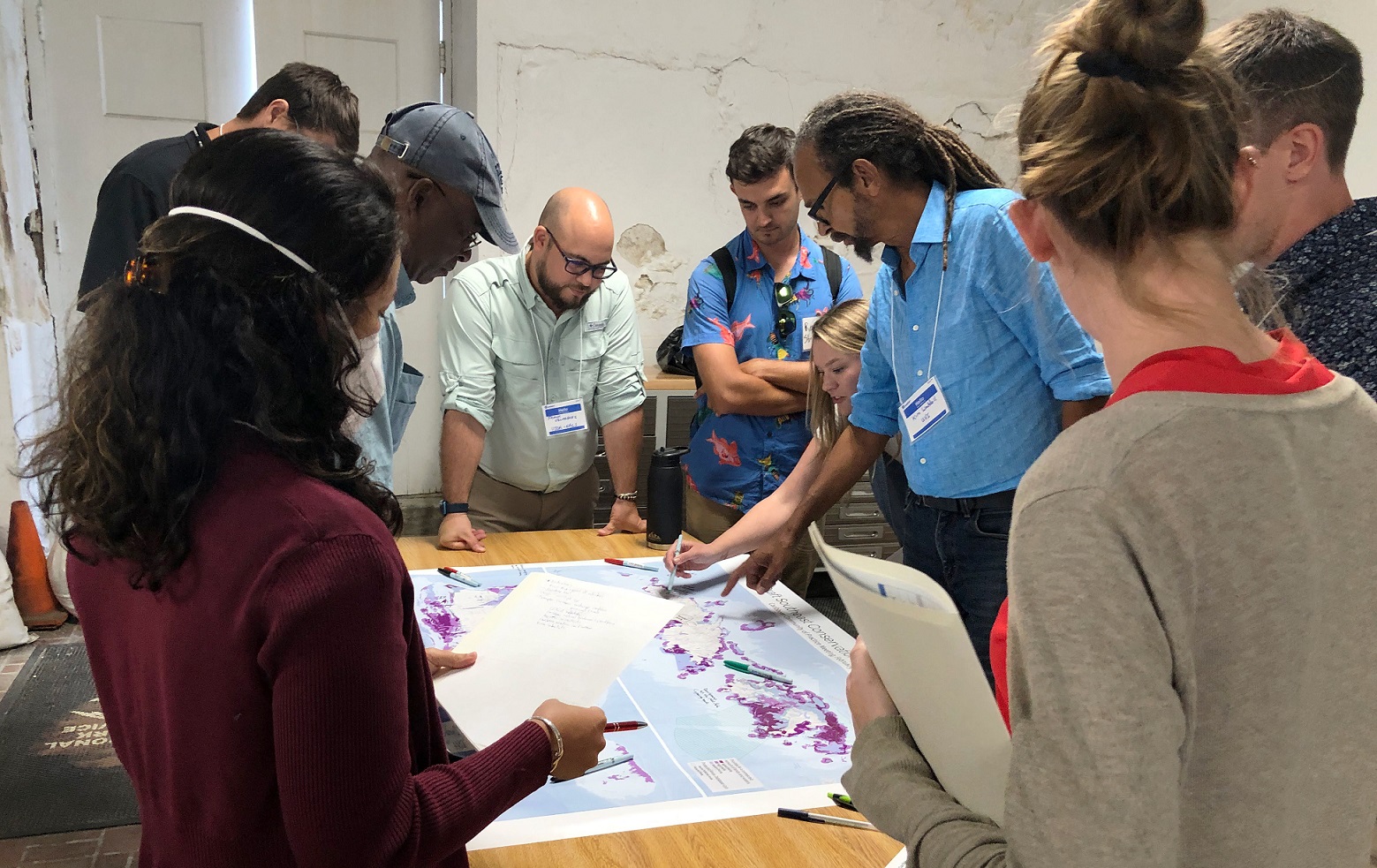
As I was looking back on the 2025 Blueprint changelog, I realized that 2025 marked the 10th version of the Southeast Conservation Blueprint. 10 years with a new version of the Blueprint every year. It made me think about all the ways the more than 2,500 people from over 650 different organizations that have actively participated in developing the Southeast Blueprint have shaped its past and future.
If you want a broad overview of how the Blueprint has changed, the website has a nice section on the history of the Blueprint. I was originally going to write about those changes. Then I got to thinking about a key ingredient in the impact of the Blueprint—the people. The ongoing conversation, involvement, and continual growth is something that makes the Southeast Conservation Blueprint really special.
So many great things about the Blueprint, big and small, came from people that decided to join a workshop, indicator team, or get in touch because they were interested in using the Blueprint. The changelog itself started after a few people on workshops said they wanted an easy way to see everything that changed between Blueprint versions. The Blueprint known issues started as an idea from a state biologist so they’d have a clear way of communicating when the Blueprint was underprioritizing a specific place.
Some extra tricky Blueprint decisions required lots of people talking with each other—like how the Blueprint should deal with future change. In those cases, it wasn’t just about taking a big vote. It was about hearing and learning from other people’s points of view. Often folks would walk into those conversations thinking “of course we should do this thing”. Others would come in thinking “of course we should do a different thing”. Then after talking with, and hearing from others, things got much more nuanced and everyone in the group was usually all good with the decision—even if it wasn’t where they started.
Some Blueprint improvements come from seemingly small comments from just one person. On an indicator team, Blueprint workshop, or during a Blueprint use, someone will ask why a parcel (or even a small part of a parcel) is scored so high or low. They’ll explain why they thought it would be scored differently and we’ll do some digging. Most of the time, there’s a very good reason. Sometimes, though, that leads to something we can fix, not just in that parcel, but in a number of similar parcels throughout the Southeast.
As you can probably tell, I really love working with all of you to help make the Blueprint better. I’m looking forward to seeing how the Blueprint continues to evolve over the next 10 years.